

Welcome to Soul Meditation’s Blog – All about Spirituality
Building Resilience With These 3 Simple Steps
- Post Published: October 16, 2024
- Post Modified: August 21, 2026

Building resilience is not about showing everything is fine. It’s about learning, how to get up again, make some changes, and move forward even if life looks very challenging. The main difference is in our response.
The best part is that resilience development is the same as skill learning, i.e.you are certainly not either born with it or deprived of it. Awareness and the right practice can make a person emotionally stronger.
What Is Resilience? A Simple Explanation of Building Resilience
Resilience meaning is quite simple. It is the ability of a person to recover after a set-back, to recover changes, and to get stronger through the process of facing difficulties in life.
Resilience has various levels. Emotional resilience is your ability to handle heart chakra and emotions. Psychological resilience is the aspect of your mental strength and thought processes. Community support and healthy relationships supports social resilience. These different aspects combined produce a strong stable base.
If you want, you can go and read emotional-healing to know how i emotionally recovered.

Resilience vs Mental Toughness and Building Resilience
There is a lot of confusion among people whether resilience vs mental toughness is the same or not. The words do sound similar but they are indeed different. One is about force. The other is about flexibility.
Mental Toughness | Resilience |
Ignores emotions | Accepts emotions |
Pushes through stress | Adapts and recovers |
Focuses on endurance | Focuses on growth |
Avoids vulnerability | Allows support |
True building resilience includes emotional honesty. It does not require you to become hard or distant. Eventually, this gets incorporated into your personal growth resilience. Tough times no longer seem like everlasting defeats but rather learning experiences.
3 Simple Steps to Building Resilience
Here is simple step by step breakdown:
Step 1: Feel Connected and Believe in Your Abilities
Connection builds strength. Support from others increases social resilience.
You can:
- Talk openly
- Ask for help when needed
- Practice gratitude daily
- Notice your strengths
If you want to strengthen inner awareness, you can explore mindfulness practices.
Step 2: Be Optimistic and Face Change
Optimism is not denial. It is the belief that growth is possible. Try to:
- Accept change
- Practice daily reflection
- Develop healthy resilience skills
This step is a great psychological resilience booster. It mentally helps you to get solutions and not just focus on problems.
Emotional strength is equally related to being aware of one’s emotions. It is always good to know what you are feeling so that you can act with reason rather than merely reacting.
Some people, additionally, look at the link between the heart chakra and feelings to work on their emotional balance. If you want to read more about how spirituality leads to growth, you can visit the blog on spiritual growth.
Step 3: Set Small Goals and Celebrate Progress
Little goals help you get moving. Resilience building can be achieved by concentrating on:
- One small habit change per week
- Celebrating small wins
- Tracking progress
- Learning from mistakes
Here are simple resilience examples:
- Having a difficult conversation calmly
- Starting again after rejection

Daily Habits That Help Build Resilience Over Time
Here are a few practices that can help you:
- Morning reflection or journaling
- Regular physical movement
- Mindful breathing
- Practicing gratitude
- Limiting negative self talk
Guided practices can also support emotional balance. If you would like to try one, you can explore sessions at guided-meditations.
Factors Helping Emotional Resilience and Building Resilience
Long term emotional resilience grows from multiple factors working together. It is not one single habit.
Factor | Why It Matters |
Supportive relationships | Increase safety and confidence |
Healthy coping strategies | Improve recovery speed |
Purpose and meaning | Strengthen motivation |
Reflection | Turns failure into growth |
Take a deep breath and if you are willing, visit our emotional healing section.
When these areas improve, building resilience becomes part of your personality. You begin to trust yourself more.

Takeaway
Resilience building doesn’t mean that a person is unbreakable. It is about becoming adaptable. Life will always bring change. What changes is your response.
With consistent effort and a lot of patience, you can gain strength without losing inner softness. If you want to know more about the philosophy behind this work, you can read more about Fernando Albert.
Resilience grows quietly. And every small step matters.
I invite you to check earlier posts: seventh year, sixth year, fifth year, fourth year, third year, second year, first year.
Love & Light,
Lots of blessings and abundance your way! (Home)
Fernando Albert

FAQs
Q: What is resilience?
A: Resilience refers to the capability to adapt to and step up from negative moments and challenging life experiences.
Q: Why is resilience important?
A: Resilience is crucial for overcoming challenges, maintaining optimal mental wellness, and improving well-being.
Q: How can I build resilience?
A: Building resilience involves developing self-awareness with proper self-regulation. Developing coping skills with great optimism, and solid social connections.
Q: What is emotional resilience?
A: Emotional resilience is the ability to always deal with any emotional stress and adversity with positive behavior, and capable of standing up again even if you crash.
Q: What does resilience theory entail?
A: Resilience theory explores how people adapt and evolve when exposed to adversity, loss, and risk. In a way, this suggests that resilience can be developed over time.
Q: How does social support contribute to resilience?
A: If you have significant connections and the capability of networking with supportive connections, you will grow stronger thanks to emotional and practical assistance, which helps individuals cope with and recover from all life challenges.
Q: Can resilience be learned?
A: Have no doubt! Indeed, resilience can be developed through intentional practice. You will slowly be adopting positive coping strategies and mindsets. All that matters is to keep trying, and if you fall, to stand up again. You certainly can!
Q: What role does self-esteem play in resilience?
A: If you have high self-esteem, you will boost confidence and you will feel more capable of handling any difficult situation you need to face.
Q: How do communication skills impact resilience?
A: Communication is essential to help people seek support, as well as take action when necessary. I can give you some support through a Talk to Fer session.
Q: What is the difference between psychological and emotional resilience?
A: Psychological resilience talks about mental fortitude to be able to face uncertainty and challenges. Emotional resilience focuses on dealing with and healing from emotional stress.

Recent Products
-
 The Intuitive Light That Starts a Fantastic Day: A morning meditation for a positive day
$9.00
The Intuitive Light That Starts a Fantastic Day: A morning meditation for a positive day
$9.00
-
 Five of Cups tarot card Meditation: Move from grief to healing and see what still remains
$9.00
Five of Cups tarot card Meditation: Move from grief to healing and see what still remains
$9.00
-
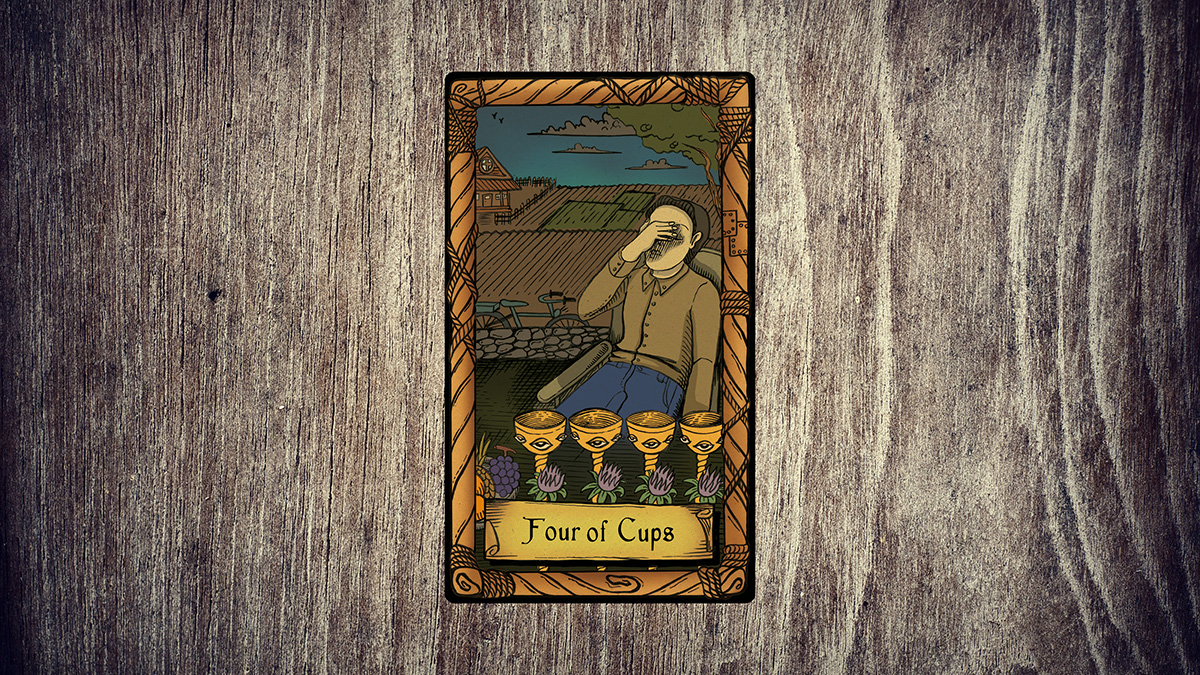 Four of Cups tarot card Meditation: Take a quiet pause and open to what is offered
$9.00
Four of Cups tarot card Meditation: Take a quiet pause and open to what is offered
$9.00
-
 Quick reset into mindfulness - A 3 minute mindfulness meditation
$9.00
Quick reset into mindfulness - A 3 minute mindfulness meditation
$9.00
Recent Posts



Sign Up to My Mailing List & download FREE Meditation!