

Welcome to Soul Meditation’s Blog – All about Spirituality
Nordic Runes: Complete Guide to Meanings, Divination & Ancient Norse Wisdom
- Post Published: October 14, 2026
- Post Modified: October 10, 2026
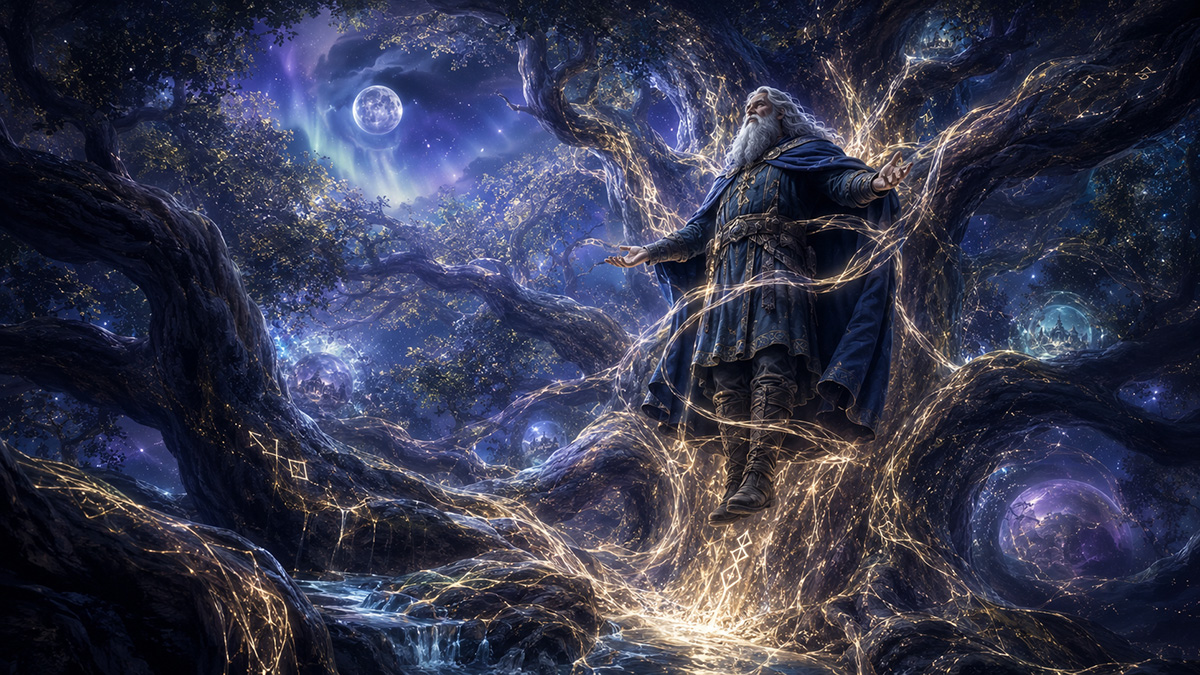
Maybe you feel drawn to Nordic runes for divination, protection, ancestral connection, or perhaps all three. Inspiring myself in one person I work with who connects very much with Nordic consciousness and spiritual beings. For this, I have done some research and looked up some information online, as well as asking Spirit about these runes since I didn't know them before. So, you will see this written a little bit differently for this extraordinary subject. First, a small story:
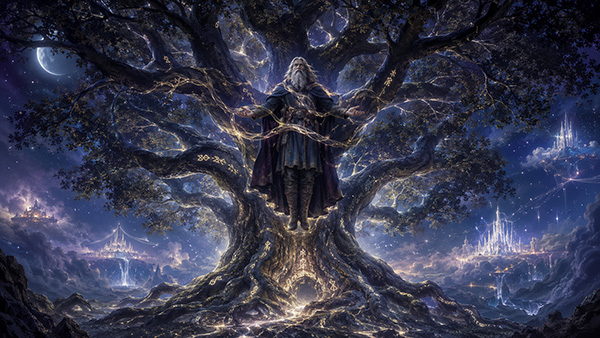
Nine nights without food or water. Wounded by his own spear, Odin hung from Yggdrasil until the runes revealed themselves. This is how Nordic runes enter Norse mythology: through sacrifice, awareness, and wisdom that carries a price. Perhaps this is why they can still feel so alive when you hold them today.
The story of Odín and the Nordic Runes can teach us a lot today about perseverance, assertiveness, and how tough and difficult, but rewarding, a spiritual journey can turn out to be. You always experience a journey when you grow, and if it's aligned with you, you will overcome it.
▶️ Prefer listening? Watch or listen to this article on YouTube:
Before we continue, did you check out the Seven of Cups article? Maybe the Nordic runes are your answer if you are looking for a divination tool, especially if you draw that card when asking! Keep on reading, because we will explore the history, all 24 Elder Futhark meanings, protection runes, and practical reading methods.
Remember, you can always come here to double-check any information you need, so you don't need to learn this by heart. With practice, you will be familiarizing yourself with them too, so as always, be open to receiving.
What Are Nordic Runes?
Nordic runes are characters from historical Germanic writing systems that later became deeply connected with Norse mythology and magic, mixing it with modern divination.
If you are asking what runes are, it is best to know first what they are for and how they work. Each rune represented a sound and could be carved into wood, bone, metal, or stone to write names, messages, memorials, ownership marks, and dedications. The runic alphabet is called the Futhark because its first six sounds are F, U, Th, A, R, and K. This is helpful data for you to know, but not something that you must remember by heart.
The word "rune" is often connected with the Old Norse rún, carrying ideas such as secret, mystery, or confidential knowledge. Doing a bit of research, you can find that ancient evidence also shows runes used in charms and inscriptions for spiritual purposes. The organized rune readings familiar today belong mainly to later revival traditions, so it helps to honor both the history and the living practice. You can also explore how I use a rune reading for wisdom and guidance.
Nordic Runes at a Glance
| Element | Details |
|---|---|
| Origin | Germanic Europe, first centuries CE |
| Main older system | Elder Futhark, 24 runes |
| Other systems | Younger Futhark, 16 runes; Anglo-Saxon Futhorc, up to 33 |
| Historical purpose | Writing, memorials, ownership, dedications, and some magical inscriptions |
| Mythic origin | Odin received the runes after nine nights on Yggdrasil |
| Aett divisions | Three groups of eight in Elder Futhark |
| Traditional materials | Wood, bone, horn, metal, and stone |
| Modern use | Divination, meditation, protection, spiritual reflection, and art |
This snapshot gives you the foundation so you can get an idea. Now, let’s continue with the myth and the history behind the symbols, because this is where you can start connecting with this ancient wisdom.
The Origin & History of Nordic Runes
The Mythological Origin
In the Hávamál,
Odin hangs from a windswept tree for nine nights, wounded by a spear and given no food or drink. Looking downward, he takes up the runes and falls back from the ordeal. The poem does not say that the runes rose from the Well of Urd, although the well sits beneath Yggdrasil elsewhere in Norse cosmology and remains connected with the Norns, fate, and hidden wisdom.
The myth presents knowledge as something experienced fully, not collected casually.
Historical Use
Historically, and based on some research, runes developed among Germanic peoples during the first centuries CE. The 24-character Elder Futhark appears before the Viking Age. Around the beginning of that era, Scandinavians increasingly used the 16-character Younger Futhark. These Viking runes appeared on memorial stones, jewelry, weapons, combs, tools, and pieces of wood. From what I have been able to find, and also written in some history books, there are many inscriptions that record names and journeys, while others carry charms or religious language.
The Swedish History Museum’s rune guide explains that runes were used in Scandinavia centuries before the Viking Age and that the common Viking Age futhark contained 16 characters. This matters because Nordic runes and Elder Futhark are often treated as identical online, even though the historical picture is wider.
Decline and Modern Revival
Latin writing spread through Christian institutions, yet runes did not disappear overnight. They continued in medieval Scandinavia and survived in local calendars and regional traditions much longer.
However, they kept on going thanks to modern Norse Paganism, esoteric schools, and spiritual practitioners who later renewed interest in rune magic and divination. So, you can tell that today, runes can be approached as history, perhaps even like a language on its own based on sacred symbolism. You may also choose to use it as a living spiritual tool.
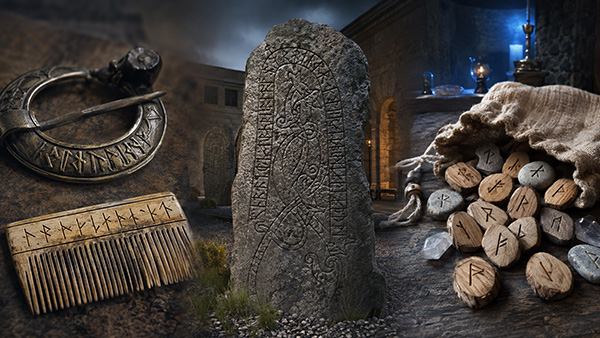
As long as you keep all of this in mind, you will be grounded and connect beautifully with them.
The Elder Futhark: All 24 Nordic Runes
The Elder Futhark runes form a sequence of 24 symbols divided into three groups of eight called aetts. Here, it seems that the names and basic word associations come through reconstructed Germanic forms and later rune poems. The divination interpretations below reflect widely used modern practice. This distinction matters because runes and their meanings have both historical roots and living spiritual layers, so it is super important to keep these in mind. Your intuition should guide you too in how to go with this, but there are some approaches:
Some readers use reversals.
Others read every rune upright and look for a blocked or shadow expression through position and intuition.
Keep in mind that symmetrical runes cannot appear visually reversed for that reason, and you must feel if the energy itself is "reversed" or not. Also, as a good piece of advice, choose one method and remain consistent so your language with the runes can grow little by little. You know what I always say: practice makes the champion. Keep on reading, as we are now putting some significant information together.
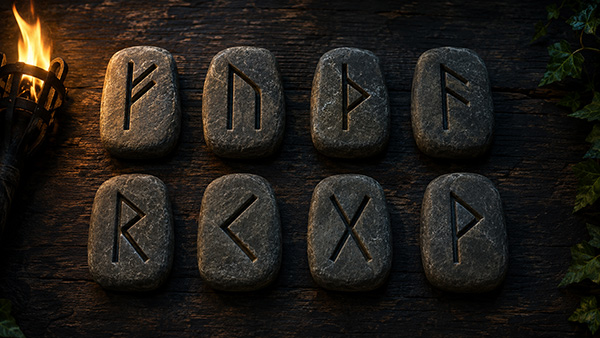
First Aett: Freya’s Aett
The first eight Norse runes move through resources, strength, boundaries, communication, movement, illumination, exchange, and joy. They often speak about how your inner energy begins to interact with the material and social world.
Fehu (ᚠ, F): Wealth and mobile resources. Fehu originally evokes cattle, a visible measure of prosperity and exchange. In divination, it can bring income, momentum, reward, or something valuable that needs circulation. Reversed, if you use reversals, it may show loss, blocked flow, possessiveness, or poor handling of resources.
Uruz (ᚢ, U): Strength and primal vitality. Uruz is associated with the wild ox and the force required to meet life directly. Upright, it suggests stamina, courage, recovery, and an opportunity that asks more from you. Reversed, it can point to depleted energy, hesitation, or strength being used without awareness.
Thurisaz (ᚦ, Th): Thorn, force, and boundaries. Thurisaz carries the sharp intelligence of a thorn and the disruptive power linked with giants. Upright, it can mark protection, a necessary boundary, or a breakthrough after pressure. Reversed, it may warn about impulsive reactions, vulnerability, or force that needs conscious direction.
Ansuz (ᚨ, A): Speech, wisdom, and divine communication. Ansuz is closely associated with Odin, language, breath, and inspired messages. Upright, listen for guidance, honest conversation, learning, or an important sign. Reversed, it can reveal crossed messages, manipulation, scattered thought, or advice that should be checked carefully.
Raidho (ᚱ, R): Journey, rhythm, and right movement. Raidho speaks about travel, timing, order, and moving in harmony with a larger pattern. Upright, a journey or decision progresses with purpose. Reversed, delays, poor timing, resistance, or an unexpected detour may be asking you to reconsider the route.
Kenaz (ᚲ, K): Torch, knowledge, and creative fire. Kenaz illuminates what was difficult to see. Upright, it supports learning, craft, attraction, revelation, and the moment an idea becomes workable. Reversed, the flame may feel low, showing creative blockage, confusion, an ending, or knowledge that has not yet been integrated.
Gebo (ᚷ, G): Gift, exchange, and partnership. Gebo teaches reciprocity. It can indicate generosity, agreement, love, a meaningful offer, or a relationship where energy moves both ways. Its shape is symmetrical, so many readers do not reverse it. In shadow, notice obligation, unequal exchange, or difficulty receiving.
Wunjo (ᚹ, W): Joy, harmony, and belonging. Wunjo brings satisfaction that grows from alignment with yourself and your people. Upright, it supports happiness, comfort, friendship, and successful completion. Reversed, it may show disharmony, disappointment, loneliness, or a smile that hides what still needs honest attention.
Second Aett: Hagal’s Aett
The second aett enters deeper transformation. Disruption, need, stillness, cycles, endurance, mystery, protection, and sunlight are all present here. These runes often appear when life is rearranging you from the inside, and yes, sometimes that process can rock your universe.
Hagalaz (ᚺ, H): Hail and uncontrollable change. Hagalaz arrives like weather, interrupting plans and revealing what cannot remain as it was. In divination, it can indicate sudden change, awakening through disruption, or natural forces beyond personal control. It is generally read without reversal; its lesson is response, resilience, and rebuilding.
Nauthiz (ᚾ, N): Need, constraint, and necessary effort. Nauthiz shows the friction between what you want and what the moment allows. Upright, it asks for patience, discipline, and learning through limitation. Reversed, it may point to an ignored need, self-created restriction, unhealthy deprivation, or resistance that extends the difficulty.
Isa (ᛁ, I): Ice, stillness, and concentration. Isa pauses movement so you can see what remains when activity stops. It can indicate waiting, preservation, self-control, or a situation temporarily frozen. Isa looks the same in every direction and is read without reversal. Its shadow is stagnation, emotional coldness, or isolation.
Jera (ᛃ, J or Y): Harvest and natural cycles. Jera confirms that patient effort produces results in the proper season. Upright, it brings harvest, completion, reward, and gradual improvement. Its balanced form is usually read without reversal. A difficult placement may show poor timing or consequences unfolding from earlier choices.
Eihwaz (ᛇ, Ei): Yew, endurance, and the life cycle. Eihwaz supports inner strength during transition, initiation, or a demanding passage. It often says you can continue without forcing the process. Usually read without reversal, its shadow can reveal rigidity, fear of transformation, or endurance that has become unnecessary self-denial.
Perthro (ᛈ, P): Mystery, chance, and hidden knowledge. Perthro resembles a casting cup and remains one of the most debated rune names. In modern divination, it suggests secrets, initiation, probability, fate, or something concealed becoming known. Reversed, it may indicate unwelcome information, unhealthy risk, or trying to control an uncertain outcome.
Algiz (ᛉ, Z): Protection and higher awareness. Algiz is widely used today as a symbol of spiritual protection, alertness, and connection with guidance. Upright, it supports safe boundaries and awakened instinct. Reversed, some readers see vulnerability, ignored intuition, or weakened boundaries. Stay grounded rather than becoming fearful when it appears.
Sowilo (ᛋ, S): Sun, wholeness, and success. Sowilo brings visibility, vitality, truth, and the confidence to move toward a clear aim. It can mark victory, healing momentum, or a return to your essential self. Its form is normally read without reversal. In shadow, watch for burnout, pride, or relentless pursuit of achievement.
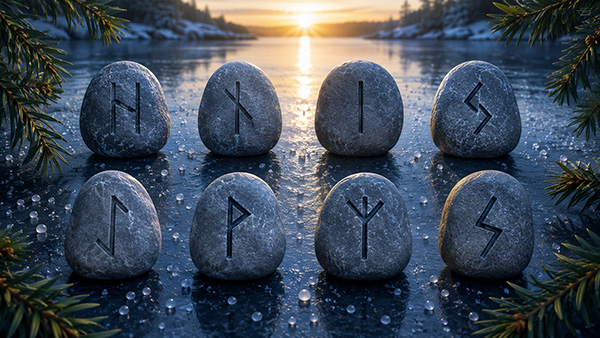
Third Aett: Tyr’s Aett
The final eight runes explore integrity, renewal, partnership, humanity, intuition, fertility, awakening, and heritage. Here the journey becomes deeply human. Your choices affect community, relationships, future growth, and what you leave behind.
Tiwaz (ᛏ, T): Tyr, justice, and honorable action. Tiwaz carries the courage to sacrifice immediate comfort for a worthy principle. Upright, it favors integrity, leadership, fair competition, and victory through clean effort. Reversed, it can show injustice, avoidance, misplaced sacrifice, or fighting for something that no longer reflects your truth.
Berkano (ᛒ, B): Birch, birth, and renewal. Berkano holds nurturing energy around beginnings, healing, family, fertility, and projects that need patient care. Upright, growth is taking root. Reversed, if used, it may reveal delays, family tension, neglect, or a new beginning that needs more protection before it can develop.
Ehwaz (ᛖ, E): Horse, trust, and movement together. Ehwaz shows progress created through cooperation between two forces, like rider and horse learning one rhythm. Upright, it supports teamwork, loyalty, travel, and positive change. Reversed, it can suggest mismatched intentions, stalled progress, mistrust, or partnership moving at different speeds.
Mannaz (ᛗ, M): Humanity, self, and community. Mannaz asks you to understand yourself as an individual who also belongs to a larger whole. Upright, it brings self-awareness, intelligence, cooperation, and helpful counsel. Reversed, it may show isolation, ego conflict, self-deception, or difficulty accepting support from others.
Laguz (ᛚ, L): Water, intuition, and emotional flow. Laguz moves through dreams, psychic sensitivity, feeling, and the wisdom of allowing. Upright, trust your intuition and adapt without losing yourself. Reversed, emotional confusion, blocked sensitivity, overwhelm, or fear of your own inner knowing may be disrupting the natural current.
Ingwaz (ᛜ, Ng): Seed, fertility, and contained potential. Ingwaz carries energy gathering quietly before release, much like a seed preparing to open. It supports gestation, creativity, healthy completion, sexuality, and a new phase forming within. Its symmetrical shape is read without reversal. In shadow, potential may remain contained for too long.
Dagaz (ᛞ, D): Dawn, breakthrough, and awakening. Dagaz is the sudden light that changes how everything looks. It indicates transformation, clarity, hope, and a decisive turning point after darkness. It has no visual reversal. Its challenge is integrating the breakthrough into daily life instead of treating insight as the finished work.
Othala (ᛟ, O): Heritage, home, and inheritance. Othala speaks about ancestors, land, family resources, belonging, and what passes between generations. Upright, it can bring inheritance, roots, or support from tradition. Reversed, it may show family exclusion, inherited prejudice, property conflict, or the need to redefine where home truly is.
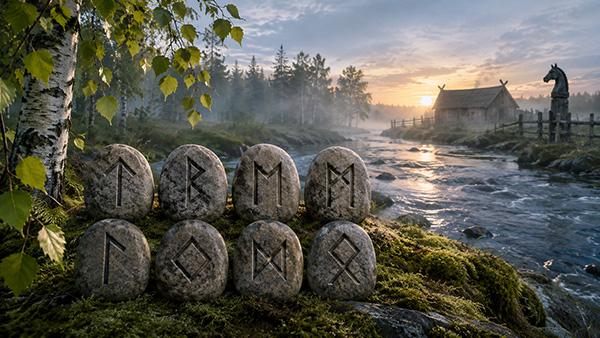
The Most Powerful Norse Protection Runes
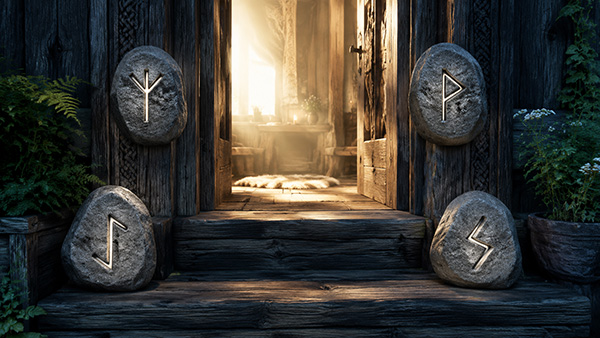
A Norse protection rune works best as a conscious reminder of the quality you are strengthening. You can meditate with it, carve it into a personal object, draw it near an entrance, or carry it on paper. Set a clear intention and keep your real-world boundaries active too.
Algiz: The Best-Known Protection Rune
Algiz is the symbol most modern practitioners choose for spiritual shielding, alertness, and connection with higher guidance. Its shape is often compared with raised antlers or open arms. Draw it near your doorway, keep it beside your bed, or wear it as jewelry while remembering that your energy belongs to you.
Thurisaz: Protective Boundaries
Thurisaz carries the protection of a thorn. Use it when you need firmness, assertiveness, or the courage to close a draining doorway. Its energy can feel intense, so approach it calmly and direct it toward healthy boundaries rather than conflict. Protection rooted in awareness remains far stronger than protection rooted in fear.
Sowilo: Protection Through Light
Sowilo brings solar clarity, vitality, and wholeness. As a modern protection symbol, it helps you focus on strengthening your own light and seeing a situation clearly. Sensitive people may work with Sowilo as a reminder to return to confidence, warmth, and a higher vibration when an environment feels heavy.
Eihwaz: Protection Through Endurance
Eihwaz supports you through transition, uncertainty, and long spiritual processes. It is a useful Viking protection rune in modern practice when you need steadiness more than confrontation. Place it in a journal or meditation space and connect with the part of you that can bend, endure, and remain whole.
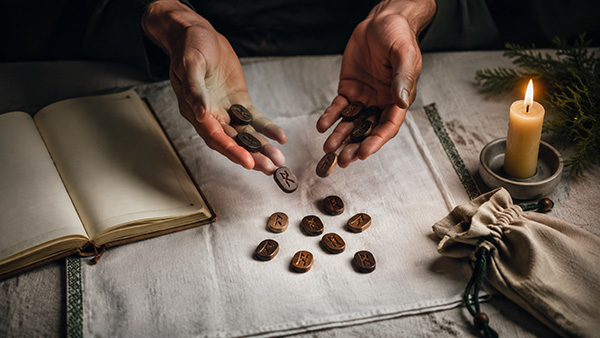
How to Read Nordic Runes
Preparing to Read Runes
As with every reading, you must first find a quiet place. Once you do, make sure to clear your mind and let go of all emotions while you hold your bag of runes. Some people like to breathe into them too, but if you place your hands around them, it is enough. If your set is new, leaving it overnight under the moonlight is a great way to proceed with the regular way of clearing crystals. A brief meditation practice can help you separate intuition from anxiety before you draw.
Method 1: Single Rune Draw
So, now that you are ready, you need to ask a question and then reach into the bag to draw one rune while your eyes are closed and you take a deep breath. What is the first thing that comes to you? Take a good moment to feel the awareness within. If this is a yes-no question, see how the energy goes around: if it flows, it's a yes, but if it feels blocked, it's a no. However, you will get a lot more guidance than a binary answer.
Method 2: Three Rune Spread
Another method is to draw three runes in the same way I shared above. Here, all you need to do is know that the one on the left is the past, and you start here. The middle one is the present, and the one on the right is the advice and guidance that you need. Make sure to keep the chosen positions consistent for the entire reading.
Method 3: Norn Cast
Modern Norn spreads take inspiration from the Norse beings associated with fate. For a five-rune cross, place the core issue in the center; this is super important. From here, you must then read the surrounding runes as past influence, present energy, helpful force, and challenging force. This can be useful for questions involving patterns, timing, or karmic connections because it answers well when more than one consciousness is involved.
Method 4: Casting on a Cloth
I didn't know about this one, but another method is using a clean cloth, dropping the runes on it, and reading what is facing up and looks aligned: Begin with the symbols near the center, then notice clusters, distance, and repeated themes. Ancient writer Tacitus described Germanic peoples casting lots on white cloth, although he did not identify them as all 24 Elder Futhark runes. The full modern casting method develops through practice.
Interpreting Reversed Runes
If you want a bit of story-based guidance, I can share that some modern readers interpret runes such as Fehu, Uruz, Ansuz, and Laguz differently when inverted. Others ignore reversals because many historical rune pieces offer no clear top or bottom, and several symbols are symmetrical. In the end, it matters what you feel and how you feel it, so trust the system that feels coherent to you and write it down. You need to make sure to avoid changing the rules only because you dislike an answer.
After each reading, make sure to record the question, runes, first impressions, and what later happened. Psychic amnesia will get you; channeled information doesn't store in the brain, and your memories will become foggy and in danger of blending with false memories. So, trust me on this one: your journal will teach you more about your personal rune language than memorizing endless keywords... You are not a computer after all.
Nordic Runes vs Celtic Runes vs Sigils
I found it interesting to share a bit of the following:
Nordic runes are historical Germanic alphabets, including Elder Futhark and its descendants. Each character carries a sound, a name, and associations developed through language, poetry, archaeology, and later spiritual practice.
The phrase "Celtic runes" commonly points toward Ogham, the early medieval Irish script, or toward modern Celtic-inspired symbols. Ogham and Nordic runes come from different writing traditions. When comparing Nordic vs Celtic runes, first confirm whether the person actually means Ogham.
Also, sigils (that we talked about a few weeks ago) are personal symbols created for a focused intention. Runes already belong to inherited alphabets and carry established names. In a runes vs. sigils comparison, you can read or combine runes according to their received meanings, while with a sigil, you build a new form around one purpose. You can explore more options through my guide to finding your divination tools and the wider collection of spiritual tools.
FAQs About Nordic Runes
Q: What are Nordic runes?
A: Nordic runes are characters from historical Germanic writing systems used in Scandinavia and other parts of Europe. They served as letters, and some inscriptions also carried magical or sacred purposes. Modern practitioners use them for divination, meditation, and spiritual reflection.
Q: How many Nordic runes are there?
A: Elder Futhark contains 24 runes divided into three groups of eight. Younger Futhark, used widely during the Viking Age, contains 16. Anglo-Saxon Futhorc expanded the older row and eventually reached up to 33 characters.
Q: What is the most powerful Nordic protection rune?
A: Algiz is the best-known protection rune in modern Norse spiritual practice. It represents alertness, boundaries, and connection with guidance. Thurisaz, Sowilo, and Eihwaz offer different protective qualities through firmness, clarity, and endurance.
Q: How do you read Nordic runes for divination?
A: Focus on a clear question and draw one, three, or five runes, or cast several onto a cloth. Interpret each rune through its meaning, position, relationship with nearby symbols, and your intuition. Beginners usually learn fastest through daily single-rune draws and journaling.
Q: Who invented Nordic runes?
A: Norse mythology says Odin received the runes after hanging from Yggdrasil for nine nights. Historically, scholars understand the runic script as a Germanic writing system influenced by Mediterranean alphabets and developed during the first centuries CE.
Q: Can I make my own runes?
A: Yes. You can carve or paint the 24 Elder Futhark symbols onto equal pieces of wood, stone, clay, or another durable material. Check every character carefully, then cleanse or bless the set according to your spiritual path before beginning to read.
Q: Is rune divination safe?
A: Yes, rune divination can be approached as a grounded, reflective, and spiritual practice. Work with a clear intention, avoid fear-based questions, and keep your free will active. A reading offers guidance and perspective; your choices remain yours.
Let the Runes Speak Slowly
It's a long story already; it's been 2000 years of language and memory, with profound myth and deep spiritual practice when talking about the runes. You don't have to memorize everything by heart today; this is why I said this would also be a bit of a different type of article. It is all about the experience.
So, you will need a lot of patience and practice (the foundation for a lot of things). After all, these symbols appeared with reverence, and we need to honor that. If you want personal guidance, I can help through a psychic reading with Fernando, or you can explore my online reading options. The rune you understand deeply will always say more than twenty-four runes repeated from memory.

Next week, we will talk about the Sri Yantra mantra and how, with the right approach, you can bring a strong frequency into your life through vibration and sacred geometry, so make sure to stay tuned next Wednesday.
So, if you do not want to miss a single update, click below to join our weekly newsletter, and you will gain access to exclusive content. Subscribe now!

I invite you to check earlier posts: tenth year, ninth year, eighth year, seventh year, sixth year, fifth year, fourth year, third year, second year, and first year.
Love & Light,
Lots of blessings and abundance your way! (Home)


Recent Products
-
 Psychic Reading in video (recorded): Receive your insight in video format
$119.95 – $399.95Price range: $119.95 through $399.95
Psychic Reading in video (recorded): Receive your insight in video format
$119.95 – $399.95Price range: $119.95 through $399.95
-
 Six of Cups Tarot Guided Meditation: Restore a beautiful childhood memory
$9.00
Six of Cups Tarot Guided Meditation: Restore a beautiful childhood memory
$9.00
-
 The Intuitive Light That Starts a Fantastic Day: A morning meditation for a positive day
$9.00
The Intuitive Light That Starts a Fantastic Day: A morning meditation for a positive day
$9.00
-
 Five of Cups tarot card Meditation: Move from grief to healing and see what still remains
$9.00
Five of Cups tarot card Meditation: Move from grief to healing and see what still remains
$9.00
Recent Posts


Sign Up to My Mailing List & download FREE Meditation!