Understand REM sleep vs deep sleep and start today to improve your cognitive health. Not only for health reasons, knowing your sleep phases can and will help you discover and experience amazing states of consciousness, such as lucid dreaming. Knowing REM sleep vs deep sleep phases improves your sleep too!
REM sleep vs deep sleep: Why both matter!

Table of Contents

▶️ Prefer listening? Watch or listen to this article on YouTube:

Deep sleep vs REM sleep: which is more important​

Our focus today lies on REM sleep vs deep sleep and why you must get the most out of these two sleep phases. More and more, the importance of understanding sleep stages for overall health grows crucial. However, with some awareness, you can bring a powerful spark to your bedtime: lucid dreaming. Exploring and knowing your sleep phases will help you sleep better and explore your dreams.

Before we continue, did you check last week's article about cord cutting? If you need to let go of connections that serve you no purpose, this is the way to go. You can even help yourself, as well as have the possibility of working together to clear these out. Needless to say, make sure to take a read if you haven't!

Usually, you will experience sleep in 4 to 6 cycles per night, usually up to a couple of hours per cycle, where you experience REM sleep, vs. deep sleep, where both happen in each cycle. As you go deeper through the night, you may experience, especially the REM phase, to be longer and longer.

You experience deep sleep and dream every night

Usually, the first question about deep sleep vs REM is whether you experience both each night. The answer is yes: through four to six (sometimes more) cycles, where your brain will fluctuate between these phases. The deep sleep promotes more deep healing and restoration, while the REM phases promote mental and brain problem-solving, and here is where the magic of dreams happens.

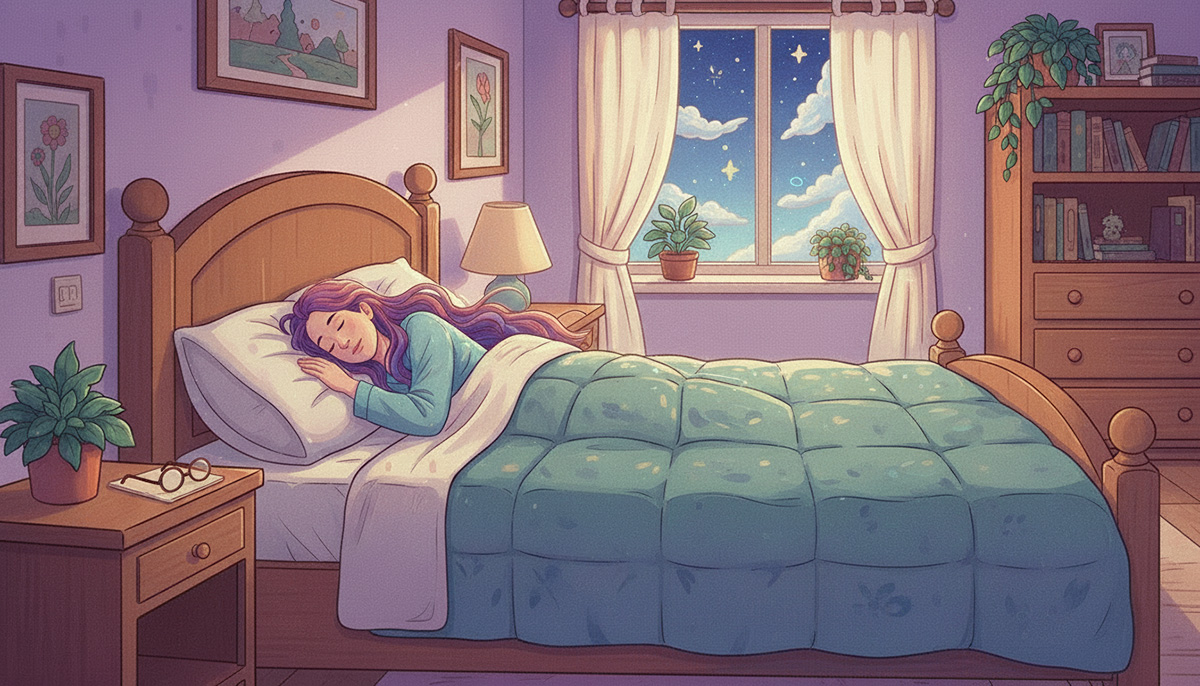
During REM you are likely to experience vivid dreams.

To not be super technical but still give you a summary of these sleep phases, I will share briefly about them:

  • Stage one: Transition: This is the very light sleep phase, where you start going deeper in relaxation, and your physical body releases all tension.
  • Stage two: Memory and Light Sleep: Here, you experience memory processing, a body temperature drop, and non-rapid-eye movement.
  • Stage three: Deep Sleep: Here, you are restoring the body, fixing damaged tissue, growing new tissue, and strengthening the immune system. You don't dream here.
  • Stage four: The Thinking: Here is where your brain activity is strong in problem-solving and making dreams. Here you are paralyzed, so you don't act on your dreams.

As you go through these four phases, you experience these moments of light or heavy sleep, with or without dreams. Your brain naturally regulates these, and with healthy sleep hygiene (and good cognitive health), you will always naturally experience all these phases each night.

These cycles change from when you were a baby to the moment you are at an advanced age. If you have good sleep habits, your brain should regulate these for you throughout your entire lifetime. If you track your dreams, you will learn and become familiar with your own sleep phases.

What is REM sleep, and how does it benefit us?

REM sleep is called "rapid eye movement," and this is the phase where your brain is organizing itself from all the thoughts of the day (and more). Here, you can see the eyes of the sleeping person moving very fast behind their eyelids. This is because when talking about REM sleep vs. deep sleep, the REM phase is the one where you dream... yes, the fun one!

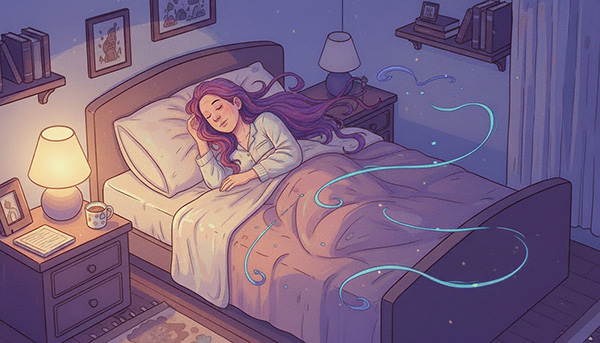
During REM aleep, you will have amazing vivid dreams.
During REM sleep, you will have amazing vivid dreams.

In this phase, the brain is functioning at high speed. For example, the amygdala and the hippocampus will be literally on overdrive. This is why some dreams feel so vivid, and if you can recall them (it is easier here), you will realize a huge rush of emotions. The frontal cortex here slows down, so you stop questioning your surroundings. Here is where doing a reality check in your dream can jolt you completely lucid (sometimes even awake during practice) 

The key benefits of the REM phase are

  • Supports emotional regulation: The amygdala balances out, and sometimes, you experience things in dreams you need to for a mental and spiritual reason.
  • Contributes to brain development: This is why kids have longer REM phases. Here, not only does the brain heal, but during the early stages of life, the brain develops as well.
  • Encourages creativity and problem-solving: You will be able to "train your brain" automatically and solve life problems more easily.
  • Improves mental health: The brain needs to heal, to cool down, to organize itself, and to simply rest. The REM phase enables these required tasks.

You can tell it is all benefits, and precisely, this is one reason sleeping is so important. If you want to explore lucid dreaming with a healthier sleep regime, you will certainly be able to accomplish a lot. Make the most out of your REM phase, and take your dreams to the next level. The following course, plus your effort and dedication, will help you to explore your dreams consciously. 

Start Lucid Dreaming Easily: Explore amazing dreams

$15.00
Do you want to be amazed? Start Lucid Dreaming today! By taking this course, you will understand much more about Lucid Dreaming and its technique in a few hours. However, this is only the beginning. From here, it will be your dedication, but you can certainly start lucid dreaming tonight!

When we talk of REM sleep vs deep sleep, you can tell some key differences, such as vivid dreaming vs a more "blacked out" phase, such as deep sleep. If you track your dreams, you have experienced dreaming in all four phases, and you can tell how different they are.

How about deep sleep? 

During deep sleep, our brain experiences low delta brainwaves, where the brain is in a state of deep relaxation. I added delta brainwaves in most of the sleep meditations here to promote a longer and more profound deep sleep phase. Here, you experience deep physical healing, essential to maintaining a healthy body. You also restore and empower your immune system. Some of the benefits are

  • Memory Consolidation: Essential to maintain a fluid train of thought.
  • Physical healing and repair of cellular tissue across the entire body.
  • Growth and development: During the years of growth, this phase is imperative for proper development.
  • Hormone regulation and immune system support make this a cornerstone for proper.

You can tell this is a super important phase, and here, your sleep is so deep that you will be difficult to awaken, and if someone manages, you will be super groggy for a while until you readjust. You will experience this phase three to five times every single night, proving how important it is to sleep properly.

REM Sleep vs Deep Sleep

To share some significant differences, we can start by naming the deep sleep as the physical recovery phase that happens in the first half of the night, and the REM phase as the mind's recovery that happens more in the second half of the night. 

In the first, your muscles will be relaxed, but you can move and change positions. In the REM phase, you will experience atonia (sleep paralysis), and you cannot move your muscles at all, so this way you don't act out your dreams.

Proper sleep habits make the difference between a good and a bad sleep.

Ultimately, you will find it difficult to wake up during the Deep Sleep phase, and if you do wake up, you will be experiencing sleep inertia, which is the classical feeling of "hit by a truck" feeling of groggy and totally out of balance, while during REM sleep, you will be easier to awake, and you won't feel tired.

How to build a good REM sleep vs Deep Sleep

If you are overall healthy and don't have any mental conditions, your brain will take care of balancing out a proper sleep cycle. Here are some key essentials to keep in account:

  • Keep your room dark and fresh, but always make sure you are at a comfortable temperature.
  • As much as you can, avoid using your phone in bed.
  • Do relaxing activities during the hour before bed.
  • Make sure to detach from your current challenges; you will deal with them tomorrow. Now is the time to rest.

If you only keep in mind the abovementioned, you will experience a much more profound sleep. It only takes a little bit of effort and organization to give a huge push to your brain and your entire body. You will get in exchange a healthier life, so drop that phone for at least the bedroom time!

You can start exploring your dreams too; it takes a lot of fun (and some practice), giving you reasons to want to invest more quality time in your sleeping and dreaming versus staring at screens constantly until you almost fall asleep on them.

Conclusion

Remember, when you talk about REM sleep vs deep sleep, the main difference is that one is where your dreaming happens, and the other one is where you are so hard to wake up, and if someone manages, you will be groggy, a phenomenon called sleep inertia.

In the end, what matters is that you have a healthy sleep regime that you can follow on a daily basis. If you regulate your sleep and avoid stimulant drugs like coffee, especially for the last hours of the day, your brain takes care of everything. You only need to focus on resting, and if you want, on having amazing dreams.

FAQ

Q: What is the difference between REM sleep and deep sleep?

A: REM sleep vs deep sleep mainly differ in that during REM (Rapid Eye Movement), you dream, and during deep sleep, you heal.

Q: Why is REM sleep important for brain health?

A: During REM sleep, the brain can process thoughts and memories, organizing itself and promoting other physiological benefits.

Q: What benefits does deep sleep provide for the body?

A: Deep tissue restoration, immune system rebalancing, and other essential inner healing procedures occur in your body during deep sleep.

Q: How much REM sleep should adults get each night?

A: A good amount of REM sleep for adults takes about 20-25% of your total sleep time, roughly 2-3 hours.

Q: How much deep sleep is considered healthy?

A: Generally, 1 or 2 hours of deep sleep a night is ideal, which makes up about 20% of your sleep.

Q: Can you dream during deep sleep?

A: Yes, you can dream during deep sleep, but these dreams are not as vivid, and they are harder to recall.

Q: Why are dreams more vivid during REM sleep?

A: In this phase, the amygdala and the hippocampus become highly active, promoting intense feelings and perceptions during dreaming. At the same time, the prefrontal cortex shuts down significantly, prompting you to "buy" the dream. Here, reality checks come in handy.

Q: What causes a lack of REM sleep or deep sleep?

A: Unfavorable medical situations, negative lifestyle habits, and using different substances affect our REM sleep. Furthermore, with age, we also have shorter deep sleep time.

Q: How can lifestyle habits improve sleep stages?

A: When you reduce (I recommend eliminating) the consumption of stimulant drugs such as coffee, and you follow a proper bedtime regimen, your brain will naturally balance these stages for what you need the most.

Q: What are the signs that you are not getting enough REM or deep sleep?

A: Lack of REM sleep promotes memory lapses and poor concentration, as well as increased irritability, anxiety, and low mood. Lack of sleep will weaken your immune system and promote higher pain sensitivity.

Sleep is essential for everybody, and dreaming is a fantastic part of it. Even if it is not your case, it can be down the line. However, what matters in the end is to ensure you have proper sleep time every night to promote physical, mental, emotional, and even spiritual healing.

Next week, we will continue with the sleep subject. I want to share some things about sleep regression. Sleep health is key, and especially in these times we are going through, it's in danger for many people. Stay tuned for next Wednesday!

So, if you do not want to miss a single update, click below to join our weekly newsletter, and you will gain access to exclusive content. Subscribe now!

I invite you to check earlier posts: ninth year, eighth yearseventh yearsixth yearfifth yearfourth yearthird yearsecond year, and first year.

Love & Light,

Lots of blessings and abundance your way! (Home)

Rev. Fernando Albert

Thank you!
Leave a Reply

Your email address will not be published. Required fields are marked *

Recent Posts

Recent Products

Sign Up to My Mailing List & download FREE Meditation!